
Tennessee Time to trade up!
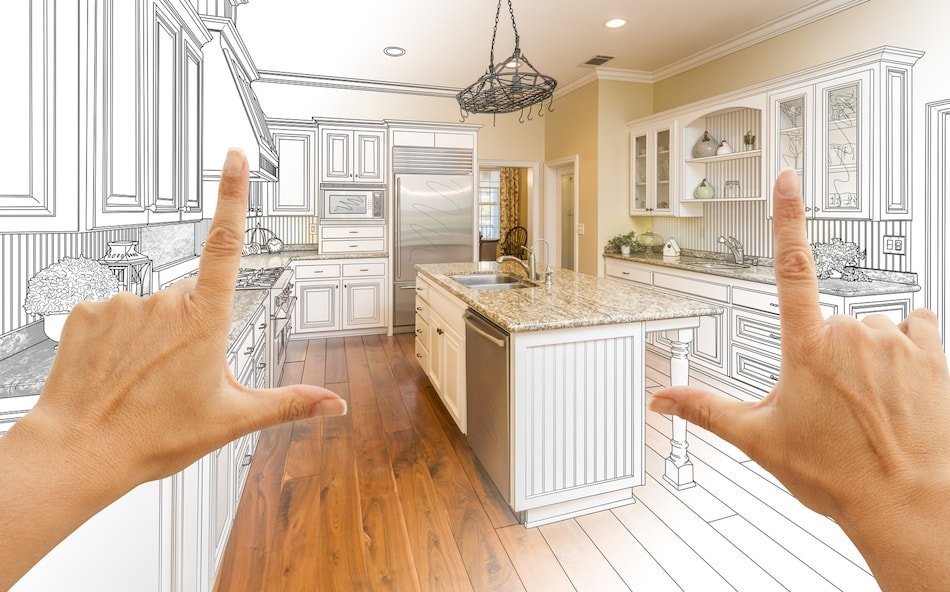
Moving from a starter home to an upgraded "forever" home is a major milestone, but it’s also a complex financial dance.
Unlike your first purchase, you’re now managing two transactions at once: selling your current equity and securing a larger mortgage.
1. The Financial Landscape: Making the Math Work
In 2026, the strategy for moving up has shifted. With mortgage rates hovering around 6.25% to 6.7%, the "math" looks different than it did a few years ago.
-
Leveraging Equity: Your starter home’s appreciation is your greatest asset. Most move-up buyers use their net proceeds (Sale Price minus Mortgage Balance and Closing Costs) as a substantial down payment to keep the new monthly nut manageable.
-
The DTI Ratio: Lenders typically look for a Debt-to-Income (DTI) ratio under 43%. Remember that a larger home often comes with higher property taxes and insurance premiums, which are factored into this ratio.
-
Bridge Financing: If you find the dream home before selling your current one, look into a Bridge Loan or a HELOC on your current property to cover the new down payment.
2. Pro-Tips for a Smooth Transition
-
The "Buy-Cation" Strategy: If possible, try to negotiate a lease-back agreement when selling your starter home. This allows you to stay in your sold home for 30–60 days while you close on the new one, avoiding a double move.
-
Focus on Lifestyle "Must-Haves": When upgrading, don't just buy more square footage. Look for "functional" upgrades that are hard to renovate later, such as a better school district, a dedicated home office, or a more private lot.
-
Get a "Full" Pre-Approval: In a competitive market, a basic pre-qualification isn't enough. Get a desktop-underwritten pre-approval so you can compete with cash offers by showing your financing is essentially "set in stone."
3. Common Pitfalls to Avoid
-
The "Double Mortgage" Trap: Buying before you sell can be risky. If your starter home sits on the market longer than expected, you could be stuck paying two mortgages, two sets of utilities, and two insurance policies.
-
Underestimating Maintenance: A larger home doesn't just cost more to buy; it costs more to keep. Budget an extra 1% to 2% of the home's value annually for maintenance. A bigger roof, more HVAC zones, and larger yards add up quickly.
-
Ignoring the "Exit" of the Starter: Don't over-improve your starter home right before selling. Focus on high-ROI "refresh" items like fresh neutral paint and curb appeal rather than major kitchen overhauls that you won't be around to enjoy.
Quick Summary for 2026: While rates have stabilized, the inventory for "mid-tier" upgraded homes remains tight. Success in this market requires having your equity "ready to move" and being prepared to act quickly when the right floor plan hits the market.
Categories
Recent Posts








Broker License ID: TN: 336545, KY: 297168
+1(931) 801-2034 | designeragentsrealtytn@gmail.com